Quick Answer
Winter produce, potatoes, squash, apples, and root vegetables, is one of the few grocery categories offering real price relief right now. Food-at-home prices rose just 1.2 percent in 2024, and seasonal staples are driving that moderation. Paired with pantry basics, these ingredients can build full meals for well under $10.
Grocery prices are still straining households, but one corner of the food system is quietly offering relief. As inflation cools and winter harvests hit the shelves, a handful of ultra-cheap seasonal ingredients are helping families stretch every dollar. Here’s how cooks are turning apples, squash, potatoes, and pantry basics into meals under $10.
After two years of relentless price spikes, most families wouldn’t describe their grocery bill as “normal.” But something unusual is happening heading into winter: some of the cheapest cold-season foods, apples, pumpkins, squash, potatoes, and hardy root vegetables, have become one of the few reliably affordable categories in the store. Shoppers feeling the pinch are increasingly leaning on these old-fashioned staples, not out of nostalgia, but out of necessity.
It’s not glamorous. It’s not trendy. But it is effective. From $10 soups to roasted vegetables that can feed a family for pennies, budget-friendly seasonal produce is becoming the quiet hero of the winter economy. Paired with common food-bank items like pasta, rice, canned tomato, and beans, these ingredients can keep households full without sending them deeper into credit-card debt.
So what’s driving this shift, and how can consumers take advantage of it right now?
Key Takeaways
- Food-at-home prices rose only 1.2 percent in 2024, according to the USDA Economic Research Service, far below recent inflation peaks.
- Food-at-home prices are forecast to rise 2.3 percent in 2025, per the USDA Food Price Outlook, making budget strategies more important than ever.
- Grocery sales reliably fall more than 13 percent from December to January each year, a pattern tracked by the USDA ERS Charts of Note, meaning winter is when price-conscious habits matter most.
- Winter staples like potatoes, squash, and lentils can anchor multiple meals per week for under $5 in total ingredient cost.
- Feeding America reports rising demand at food banks alongside increased donations of shelf-stable goods, creating real opportunities to combine donated pantry items with fresh seasonal produce.
- Batch cooking and strategic freezing of winter produce can reduce both food waste and household energy costs over multiple weeks.
Seasonal Prices Are Stabilizing Where Shoppers Need It Most
While the broader inflation story still dominates Washington and Wall Street, the U.S. Department of Agriculture’s Economic Research Service has noted something consumers are now experiencing firsthand: prices for many winter harvest items are holding steady or dipping as the season peaks. According to USDA ERS data, food-at-home prices increased by just 1.2 percent in 2024, a dramatic slowdown from recent years. Unlike packaged or processed foods, which remain elevated due to fuel, labor, and supply-chain pressures, produce like squash, onions, potatoes, and apples is benefiting from strong harvests and shorter supply lines.
This matters more than the headline number suggests. Households that rely heavily on fresh ingredients have been hammered by volatility in everything from eggs to bread. The winter crops hitting shelves today come from regional growers, travel shorter distances, and store well, making them less vulnerable to the disruptions that rattled food supply chains over the past two years.
There’s a timing dimension here too. USDA ERS charts show that average daily inflation-adjusted food-at-home sales in January 2022, 2023, and 2024 each decreased more than 13 percent from the prior month, a predictable post-holiday pullback that leaves shoppers especially exposed if they haven’t planned ahead.
At the same time, food banks across the country report increased demand alongside increased donations of non-perishable staples. Feeding America, the largest hunger-relief organization in the United States, tracks these trends nationally. Rice, lentils, pasta, peanut butter, canned vegetables, and basic sauces have become more widely available, creating an opportunity for households to combine low-cost produce with shelf-stable ingredients and build meals that are both affordable and hearty.
How Families Are Using Cheap Winter Produce to Stay Ahead
The real story is what families are doing with these ingredients.
1. The Rise of the “Meals Under $10” Strategy
With restaurant spending down and grocery costs still above pre-pandemic baselines, many households have adopted a new benchmark: if dinner costs more than $10, it’s off the table. That has pushed cooks to rediscover ingredients that deliver maximum fullness per dollar. Among the winners:
- Lentils, A single $2 bag can anchor multiple dinners.
- Potatoes, One of the few foods still widely available for under $1 per pound.
- Winter squash, Dense, sweet, and remarkably versatile.
- Apples, Cheap enough to work in breakfasts, sides, and desserts.
- Carrots & onions, The flavor base of nearly every cold-weather dish.
Together, these staples make it possible to produce meals, not just side dishes, for a fraction of restaurant or takeout prices. This strategy does have limits: it demands more cooking time and planning than most households are used to, and “budget cooking” carries a real fatigue factor when sustained over months.
2. The Cheapest Harvest Staples Doing the Most Heavy Lifting
Families trying to stretch a tight grocery budget this winter are leaning on a handful of workhorse ingredients:
- Pumpkin & squash: Roast them once, use them in soups, pasta sauces, or casseroles for days.
- Root vegetables: Carrots, parsnips, and beets become filling when roasted or simmered in broth.
- Potatoes: The ultimate “feed four for cheap” ingredient, boiled, mashed, baked, fried, or turned into chowder.
- Apples: Often overlooked in savory cooking, but perfect for slaws, skillet dishes, and slow cooker meals.
These items share two essential qualities: they’re calorie-dense and they store well. Both matter when a family is trying to minimize trips to the store and reduce spoilage.
3. Creative Food Bank Cooking: A Growing Movement
As households combine seasonal produce with donated non-perishables, a new style of cooking is emerging, practical, improvisational, and deeply budget-aware. Common pantry items like canned beans, tomato sauce, oats, broth cubes, and pasta are being paired with fresh ingredients to build imaginative but affordable meals.
Some of the most popular pairings include:
- Lentil & Root Vegetable Soup: Lentils + carrots + onions + one potato = multiple meals for under $5.
- Squash & Tomato Pasta: Pantry pasta + roasted squash + canned tomatoes + spices = comfort food on a budget.
- Apple Oat Breakfast Bake: Oats from the food bank + a few apples + cinnamon = a week of breakfasts.
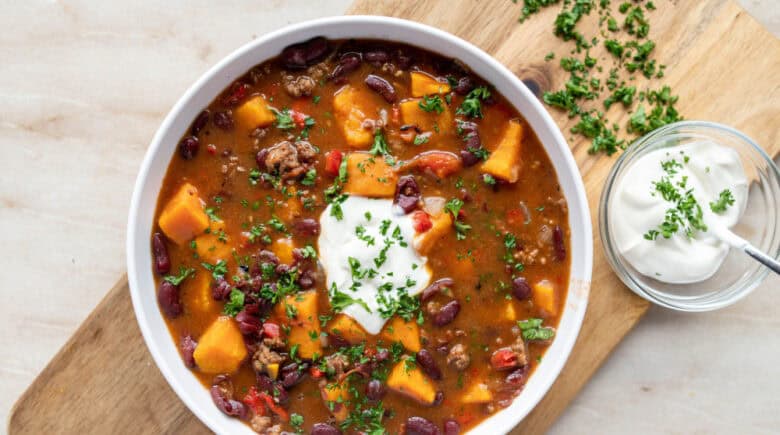
- Chickpea Chili: Canned beans + canned tomato + onion + spice pack + chopped squash.
Households under intense financial pressure are proving that resourcefulness can rival restaurant cooking, if you know how to stretch ingredients.
| Ingredient | Typical Price | Meals Per Purchase | Best Uses |
|---|---|---|---|
| Lentils (1 lb bag) | ~$2.00 | 3–4 dinners | Soups, stews, dal |
| Potatoes (5 lb bag) | ~$4.00–$5.00 | 4–6 dinners | Mashed, baked, chowder |
| Winter squash (per unit) | ~$1.50–$3.00 | 2–3 dinners | Roasted, pasta sauce, soup |
| Apples (3 lb bag) | ~$3.00–$4.00 | 7–10 breakfasts/snacks | Oat bakes, slaws, skillet sides |
| Carrots (2 lb bag) | ~$1.50 | 5–8 servings | Roasted, soups, stews |
| Canned beans (15 oz can) | ~$1.00 | 2–3 servings | Chili, pasta, rice bowls |
How Shoppers Can Take Advantage This Winter
Experts caution that while fresh produce offers a much-needed break in the grocery budget, consumers still need a strategy to outsmart higher prices elsewhere. Winter vegetables reward planning, perhaps more than any other category.
1. Buy Seasonal, Not Just “On Sale”
The cheapest foods right now didn’t become cheap because of a promotion, they’re cheap because they’re abundant. Squash, root vegetables, and apples cost less because farmers harvested truckloads of them. The USDA’s MyPlate guidelines have long encouraged seasonal eating for exactly this reason: the price signal reflects real supply, not a retailer’s margin decision.
Seasonal purchasing outperforms coupon clipping every time.
2. Batch Cook to Reduce Waste and Labor
Winter produce is ideal for cooking in bulk. Roast a sheet pan of squash and root vegetables on Sunday; cook a large pot of lentils or chili; prep potatoes in two or three different forms for the week. The FDA’s food safety guidelines offer practical direction on safe storage times for cooked produce, which is worth knowing before you start batch cooking regularly.
Beyond saving money on food itself, bulk cooking cuts energy costs, another expense hitting households this winter. The U.S. Department of Energy notes that using a slow cooker or pressure cooker for large batches is significantly more efficient than running an oven daily.
3. Pair Perishables with Non-Perishables for Maximum Value
One apple will not feed a family. One complimentary pantry item will. When households match fresh produce to shelf-stable bases, the cost per serving drops dramatically.
Rice + squash.
Pasta + onions.
Lentils + carrots.
Oats + apples.
These pairings turn cheap produce into complete meals. For households also managing debt, credit card balances, for instance, where the Consumer Financial Protection Bureau (CFPB) tracks rising revolving balances, every dollar redirected away from takeout spending is a dollar that could go toward paying down high-interest debt instead.
4. Freeze Strategically
Many shoppers underestimate how well winter produce freezes. Cooked squash, diced potatoes (par-boiled), roasted onions, and even apple compotes can be frozen for later use, smoothing grocery costs over multiple weeks. The National Center for Home Food Preservation at the University of Georgia maintains specific guidance on blanching times, safe freezer temperatures, and storage duration for all common winter vegetables, a genuinely useful resource before committing to a large purchase.
The Cheapest Path Through Winter Is Also the Most Traditional
Food inflation isn’t gone. The USDA projects food-at-home prices will rise 2.3 percent in 2025, modest compared to recent years, but still a real cost increase for families already stretched thin. Consumers are finding relief where it has always existed: in the foods that thrive when the temperature drops.
Winter produce is predictable, cheap, nutritious, and deeply adaptable. When combined with pantry staples from food banks or bulk stores like Costco or Sam’s Club, these ingredients can generate dozens of meals that cost less than a single fast-food lunch. Financial tools from institutions like SoFi and budgeting frameworks tracked by the Bureau of Labor Statistics Consumer Expenditure Survey consistently show that food spending is one of the largest variable expenses households can actually control.
For families trying to stay ahead of rising bills, the message is clear: the most affordable meals in America right now come from the oldest traditions of cooking, simple ingredients, cooked slowly, stretched wisely, and used fully.
Frequently Asked Questions
What winter vegetables are the cheapest to buy right now?
Potatoes, carrots, onions, and winter squash are consistently the most affordable options at most U.S. grocery stores this time of year. Potatoes in particular remain available for under $1 per pound in many regions, and bulk bags of carrots regularly run under $2. These prices reflect strong seasonal harvests and short supply chains from regional growers.
How much have grocery prices actually gone up recently?
Food-at-home prices rose 1.2 percent in 2024, according to the USDA Economic Research Service, a significant cooling from the double-digit spikes seen in 2022. The USDA projects a 2.3 percent increase for 2025. Processed and packaged foods continue to run higher than fresh seasonal produce.
Can you really feed a family for under $10 per dinner?
Yes, with planning. A pot of lentil and root vegetable soup, lentils, carrots, onions, and one potato, costs roughly $4 to $5 in ingredients and yields four to six servings. Squash and tomato pasta runs similarly cheap when built from canned pantry staples. The tradeoff is cooking time: these meals require 30 to 60 minutes of active preparation, which isn’t realistic every night for every household.
Why do grocery sales drop so sharply in January?
USDA ERS data shows that inflation-adjusted food-at-home sales dropped more than 13 percent from December to January in each of 2022, 2023, and 2024. The most likely explanation is a combination of post-holiday budget tightening and reduced household gatherings, which cuts the need for large grocery hauls. This is exactly why January is a good time to adopt cheaper seasonal habits, spending pressure is already high.
What pantry staples pair best with winter produce?
Canned tomatoes, dried lentils, pasta, rice, and oats are the four most versatile companions to winter vegetables. Each is shelf-stable, inexpensive, and calorie-dense. Canned beans add protein without significantly raising costs. Feeding America reports that these items are also among the most commonly donated to food banks, so households using those resources may already have access to them.
How do I freeze winter vegetables safely?
Most winter vegetables freeze best after blanching, briefly boiling them before freezing stops enzyme activity that causes quality loss. The National Center for Home Food Preservation at the University of Georgia publishes specific blanching times and storage duration guidelines for every common vegetable. Cooked squash, par-boiled potatoes, and roasted carrots all freeze well for up to three months.
Is seasonal produce actually more nutritious than out-of-season produce?
Generally, yes. Produce harvested at peak season and sold regionally spends less time in transit and cold storage, which typically preserves more vitamins and antioxidants. The Harvard T.H. Chan School of Public Health notes that fresh vegetables consumed closer to harvest tend to retain higher nutrient density. For winter vegetables like squash and root vegetables, the differences are meaningful.
How does cutting grocery spending affect overall household finances?
Food is one of the largest variable expenses in a household budget. The Bureau of Labor Statistics Consumer Expenditure Survey consistently ranks food among the top three spending categories for U.S. families. Reducing it by even $100 to $200 per month frees money that can go toward high-interest credit card debt, which the Consumer Financial Protection Bureau (CFPB) tracks as a growing burden on working households. Budget tools from financial companies like SoFi can help households model these trade-offs explicitly.
Are food banks a reliable resource for supplementing groceries?
For millions of households, yes. Feeding America‘s network serves more than 200 food banks across the United States, and many distribute non-perishable staples alongside fresh produce when available. Demand has increased substantially since 2022, but so have donations, meaning access has improved even as need has grown. Eligibility requirements vary by location, but most food banks serve anyone who shows up.
What’s the single most cost-effective change a household can make to lower grocery bills?
Shifting at least two dinners per week to bean- or lentil-based meals built around seasonal produce. A single $2 bag of lentils can replace $8 to $12 worth of protein from meat in a given recipe. That swap alone, done consistently, can reduce a household’s monthly grocery spending by $30 to $60, without requiring any reduction in meal quality or volume.
Sources
- USDA Economic Research Service – Food Price Outlook: Summary Findings
- USDA ERS – Charts of Note: Food-at-Home Sales Seasonal Patterns
- USDA Economic Research Service – Food Price Outlook (main page)
- Feeding America – Food Bank Trends and Resources
- National Center for Home Food Preservation – Freezing and Storing Produce
- Consumer Financial Protection Bureau (CFPB) – Consumer Credit Trends
- Bureau of Labor Statistics – Consumer Expenditure Survey
- Harvard T.H. Chan School of Public Health – The Nutrition Source: Vegetables and Fruits
- Sam’s Club – Bulk Food Purchasing


