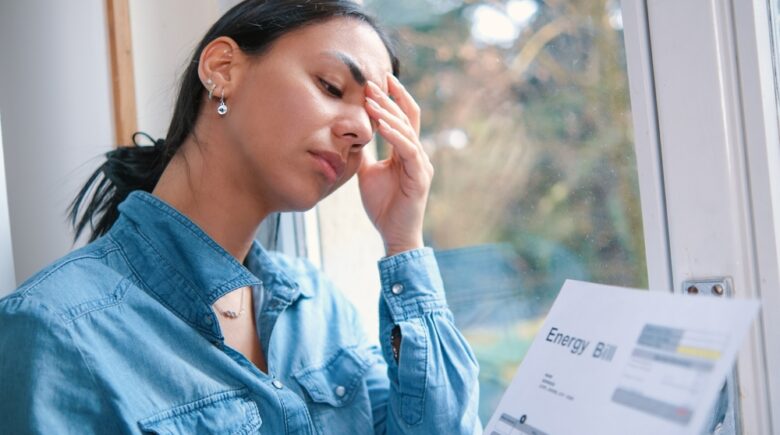
As temperatures drop and utility bills surge, states are rushing to open applications for LIHEAP — the nation’s largest energy-assistance program. But funding is tight and deadlines are approaching fast. Here’s what households need to know right now to avoid a winter shutoff.
Winter Is Getting Expensive — Fast
The weather is cooling across much of the country, but the financial pressure for low- and middle-income households is heating up. Electricity and natural gas prices have climbed in many regions, and families who struggled through last year’s unusually cold winter are bracing for another season of high energy costs. That’s why the opening of LIHEAP — the Low Income Home Energy Assistance Program — is suddenly becoming one of the most important deadlines of the year.
Every fall, states begin accepting applications for heating assistance, but this year the stakes feel higher. Some states are warning of limited funds. Others are already seeing record demand. And for households living paycheck to paycheck, missing the application window could mean going into winter without a financial safety net.
If you’re feeling the strain of rising utility bills or worrying about a possible shutoff, the clock is officially ticking — and understanding how LIHEAP works may be the difference between staying warm and falling behind.
LIHEAP Application Season Has Begun — But It’s Tight This Year
Across the U.S., states have begun opening application portals for LIHEAP, the federal program that helps households cover heating and cooling bills. Administered by the Department of Health and Human Services, LIHEAP distributes funds to states each year, which then manage their own application processes, income thresholds, and payout timelines.
This fall, the key trend is clear: many states are opening early — and closing quickly.
Some examples:
- Midwestern and Northern states have opened applications as early as October 1, anticipating higher energy costs this winter.
- Southern and coastal states, which typically experience milder winters, are reporting higher-than-normal demand due to inflation and elevated electricity prices.
- Several states warned that once funds run out, applications will shut down, even if winter hasn’t peaked.
The urgency isn’t just seasonal — it’s financial. Federal LIHEAP funding for 2024–2025 is roughly in line with last year, but consumer energy costs have risen faster. That means fewer dollars stretched across more households.
For families who qualify — especially seniors, renters, and those facing shutoff notices — applying early is no longer just recommended. It’s essential.
What This Means for Households Heading Into Winter
The immediate consequence of LIHEAP season opening is simple: many households that struggled last winter finally have a chance at relief. But the deeper impact is playing out in three major ways — each affecting millions of Americans.
1. Utility Shutoff Prevention Is the First Line of Defense
For families already behind on their bills, LIHEAP can be the difference between staying connected and going dark. Many states allow applicants to submit shutoff notices with their paperwork, triggering emergency reviews that can fast-track approval. In some states, once an application is submitted, utilities must temporarily pause disconnections.
But this protection only works if households apply before their service is cut.
For those who fell behind during late summer’s high electricity usage, this window — right now — is critical.
2. Benefits Are Smaller, So Households Need to Stretch Every Dollar
Most states provide one major heating benefit per season through LIHEAP. Depending on region, this can range from around $300 on the low end to over $1,000 on the high end. But in areas battling higher energy inflation, even maximum awards may not fully cover the winter.
That’s why energy-saving tactics are no longer “nice-to-have” tips — they are part of a survival strategy.
Simple weatherization steps that cost almost nothing can noticeably cut heating bills. Plastic window covers can trap warm air in older homes. Rolled towels can block cold drafts from older doors. Even rearranging furniture away from radiators and baseboards can reduce energy waste.
Households that combine LIHEAP assistance with low-cost weatherproofing can stretch their benefit far longer than those relying on the payment alone.
3. Renters Are Hit the Hardest
Renters — especially those in older buildings with poor insulation — are often the most vulnerable during the winter. They may rely on electric baseboard heating, space heaters, or inefficient radiators that drive up bills quickly. Some landlords control thermostats or restrict weatherization efforts, preventing tenants from making their units more energy-efficient.
LIHEAP can help, but only if renters know their rights:
- Renters can apply even if utilities are included in rent, as long as heating costs meaningfully influence monthly payments.
- They can request landlord consent forms for weatherization items.
- They should ask landlords if the building qualifies for separate energy-efficiency programs (many do).
For renters, applying early isn’t just about financial help — it’s about gaining leverage and protections during the coldest months.
What to Watch in the Months Ahead
Winter energy forecasting shows a mixed picture. While natural gas prices have moderated slightly in some regions, electricity prices remain elevated. A single cold snap could strain already tight household budgets. And without additional federal appropriations, LIHEAP funds may run out faster than usual in high-demand states.
Experts say two trends could shape the rest of the season:
1. Supplemental Funding Is Possible — But Not Guaranteed
Congress has occasionally boosted LIHEAP funding mid-season, especially when winters turn harsher than expected. Advocates are already pushing for supplemental funding, but gridlock makes it far from certain. Households shouldn’t count on future increases.
2. Weatherization Programs Are Growing in Importance
Several states are pairing LIHEAP with separate weatherization or energy-efficiency initiatives. These programs can add insulation, repair heating systems, or replace old appliances — often for free. Over the next few years, expanded federal incentives may push these programs into the mainstream, helping households cut bills permanently rather than seasonally.
For now, though, the most important step remains the simplest: applying early and preparing your home for the cold.
Conclusion: What You Should Do Next
If you think you might qualify for LIHEAP — or if you’re already struggling with rising bills — the most important move is to check your state’s application deadline today. Every state runs its own program, with its own income limits and required documents. For most households, gathering paperwork is the biggest delay.
Start now. Collect your ID, proof of income, utility bills, and any shutoff notices. Submit your application as soon as your state allows.
Winter is coming fast. Relief is available — but only if you get in line early.

References
- https://www.acf.hhs.gov/ocs/programs/liheap
- https://www.energy.gov/energysaver/weatherize
- https://www.consumerfinance.gov/ask-cfpb/liheap-en-2143/
As temperatures drop and utility bills surge, states are rushing to open applications for LIHEAP — the nation’s largest energy-assistance program. But funding is tight and deadlines are approaching fast. Here’s what households need to know right now to avoid a winter shutoff.
Winter Is Getting Expensive — Fast
The weather is cooling across much of the country, but the financial pressure for low- and middle-income households is heating up. Electricity and natural gas prices have climbed in many regions, and families who struggled through last year’s unusually cold winter are bracing for another season of high energy costs. That’s why the opening of LIHEAP — the Low Income Home Energy Assistance Program — is suddenly becoming one of the most important deadlines of the year.
Every fall, states begin accepting applications for heating assistance, but this year the stakes feel higher. Some states are warning of limited funds. Others are already seeing record demand. And for households living paycheck to paycheck, missing the application window could mean going into winter without a financial safety net.
If you’re feeling the strain of rising utility bills or worrying about a possible shutoff, the clock is officially ticking — and understanding how LIHEAP works may be the difference between staying warm and falling behind.
LIHEAP Application Season Has Begun — But It’s Tight This Year
Across the U.S., states have begun opening application portals for LIHEAP, the federal program that helps households cover heating and cooling bills. Administered by the Department of Health and Human Services, LIHEAP distributes funds to states each year, which then manage their own application processes, income thresholds, and payout timelines.
This fall, the key trend is clear: many states are opening early — and closing quickly.
Some examples:
- Midwestern and Northern states have opened applications as early as October 1, anticipating higher energy costs this winter.
- Southern and coastal states, which typically experience milder winters, are reporting higher-than-normal demand due to inflation and elevated electricity prices.
- Several states warned that once funds run out, applications will shut down, even if winter hasn’t peaked.
The urgency isn’t just seasonal — it’s financial. Federal LIHEAP funding for 2024–2025 is roughly in line with last year, but consumer energy costs have risen faster. That means fewer dollars stretched across more households.
For families who qualify — especially seniors, renters, and those facing shutoff notices — applying early is no longer just recommended. It’s essential.
What This Means for Households Heading Into Winter
The immediate consequence of LIHEAP season opening is simple: many households that struggled last winter finally have a chance at relief. But the deeper impact is playing out in three major ways — each affecting millions of Americans.
1. Utility Shutoff Prevention Is the First Line of Defense
For families already behind on their bills, LIHEAP can be the difference between staying connected and going dark. Many states allow applicants to submit shutoff notices with their paperwork, triggering emergency reviews that can fast-track approval. In some states, once an application is submitted, utilities must temporarily pause disconnections.
But this protection only works if households apply before their service is cut.
For those who fell behind during late summer’s high electricity usage, this window — right now — is critical.
2. Benefits Are Smaller, So Households Need to Stretch Every Dollar
Most states provide one major heating benefit per season through LIHEAP. Depending on region, this can range from around $300 on the low end to over $1,000 on the high end. But in areas battling higher energy inflation, even maximum awards may not fully cover the winter.
That’s why energy-saving tactics are no longer “nice-to-have” tips — they are part of a survival strategy.
Simple weatherization steps that cost almost nothing can noticeably cut heating bills. Plastic window covers can trap warm air in older homes. Rolled towels can block cold drafts from older doors. Even rearranging furniture away from radiators and baseboards can reduce energy waste.
Households that combine LIHEAP assistance with low-cost weatherproofing can stretch their benefit far longer than those relying on the payment alone.
3. Renters Are Hit the Hardest
Renters — especially those in older buildings with poor insulation — are often the most vulnerable during the winter. They may rely on electric baseboard heating, space heaters, or inefficient radiators that drive up bills quickly. Some landlords control thermostats or restrict weatherization efforts, preventing tenants from making their units more energy-efficient.
LIHEAP can help, but only if renters know their rights:
- Renters can apply even if utilities are included in rent, as long as heating costs meaningfully influence monthly payments.
- They can request landlord consent forms for weatherization items.
- They should ask landlords if the building qualifies for separate energy-efficiency programs (many do).
For renters, applying early isn’t just about financial help — it’s about gaining leverage and protections during the coldest months.
What to Watch in the Months Ahead
Winter energy forecasting shows a mixed picture. While natural gas prices have moderated slightly in some regions, electricity prices remain elevated. A single cold snap could strain already tight household budgets. And without additional federal appropriations, LIHEAP funds may run out faster than usual in high-demand states.
Experts say two trends could shape the rest of the season:
1. Supplemental Funding Is Possible — But Not Guaranteed
Congress has occasionally boosted LIHEAP funding mid-season, especially when winters turn harsher than expected. Advocates are already pushing for supplemental funding, but gridlock makes it far from certain. Households shouldn’t count on future increases.
2. Weatherization Programs Are Growing in Importance
Several states are pairing LIHEAP with separate weatherization or energy-efficiency initiatives. These programs can add insulation, repair heating systems, or replace old appliances — often for free. Over the next few years, expanded federal incentives may push these programs into the mainstream, helping households cut bills permanently rather than seasonally.
For now, though, the most important step remains the simplest: applying early and preparing your home for the cold.
Conclusion: What You Should Do Next
If you think you might qualify for LIHEAP — or if you’re already struggling with rising bills — the most important move is to check your state’s application deadline today. Every state runs its own program, with its own income limits and required documents. For most households, gathering paperwork is the biggest delay.
Start now. Collect your ID, proof of income, utility bills, and any shutoff notices. Submit your application as soon as your state allows.
Winter is coming fast. Relief is available — but only if you get in line early.



