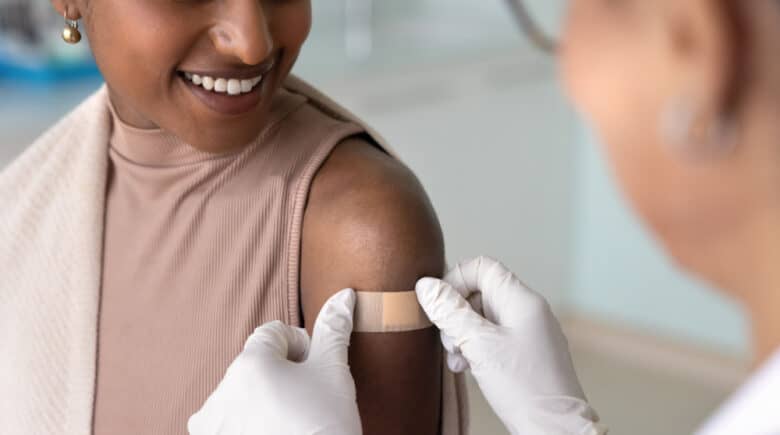
Flu and Covid are gearing up for another winter wave just as travel and holiday gatherings ramp up, putting families and older adults squarely in the line of fire. From updated vaccines to simple home tweaks, there are practical ways to protect yourself, your kids, and your neighbors without canceling the season. This guide shows what’s changing this year and the moves that actually make a difference.
Every winter now brings a familiar double threat: flu and Covid pushing hospitals toward capacity just as people crowd airports, malls, and living rooms. Health authorities in the U.S. and Europe warn that respiratory viruses are likely to climb in the coming weeks, with older adults, young children, and people with chronic conditions at particular risk. A few proactive choices now can decide whether you have a normal holiday or one spent in bed—or in the ER.
What’s Different This Winter
Public‑health guidance this winter is blunt: stay current on flu and Covid shots, and consider RSV vaccination if you’re eligible. Updated Covid vaccines target more recent variants, and the flu shot is refreshed each year to match likely strains.
Even if virus levels look low today, cases usually rise through late fall and winter as people travel more and spend time indoors. Health agencies urge people not to wait, especially if they see older relatives or anyone medically vulnerable.
For You, Family, Home, Neighbors
If you skip vaccination, your risk of severe illness, missed work, and big medical bills goes up when flu or Covid hits. Shots cannot guarantee you won’t get infected, but they sharply cut the odds of hospitalization and serious complications.
For families, timing is crucial. Aim to get flu and Covid shots a couple of weeks before major gatherings so your body has time to respond. Parents should check eligibility for children’s vaccines, since vaccinating kids also slows spread at home and in schools.
At home, small habits matter. Wash hands often, use hand sanitizer before meals, and cover coughs and sneezes to cut transmission. Improve airflow by cracking windows during gatherings, using portable filters if you have them, and choosing bigger rooms over tight spaces.
Communities feel the effect too. When more people are protected, hospitals are less likely to be overwhelmed and can keep up with routine and emergency care. Higher vaccination coverage shields neighbors who cannot get certain vaccines or who do not respond well, such as some infants and people undergoing intense treatment.
Holiday plans do not need to disappear. Testing before visiting high‑risk relatives, staying home when sick, and masking in very crowded indoor spaces before seeing them all reduce risk. These steps help you keep trips and dinners on the calendar while shrinking the odds of a preventable infection.
How This Season Could Play Out
Experts expect a “stacked” respiratory season, with flu, Covid, and RSV circulating at the same time rather than in a neat sequence. The real pressure on hospitals will depend on vaccination rates and how many people stick with basic precautions.
Forecasts suggest a moderate flu year, but recent seasons show how quickly things worsen when vaccination drops or a new strain catches people off guard. Even an average flu season still leads to many hospitalizations and deaths, especially among older adults and those with chronic illness. Covid remains unpredictable, but updated shots and antivirals have improved outcomes for people who act early when sick.
What To Do Next: A Proactive Winter Checklist
Over the next two weeks, the most powerful step is simple: book flu and Covid shots for everyone in your household who is eligible, preferably before travel or big gatherings. If you or an older relative qualify for an RSV vaccine, ask a clinician whether it makes sense based on age and health status.
Then keep prevention easy and realistic:
- Stay home and away from others if you have a fever or feel acutely ill.
- Mask and test before seeing high‑risk relatives if you’ve had recent exposure or symptoms.
- Improve ventilation during get‑togethers and encourage handwashing before meals.
- Check local health‑department or pharmacy sites for low‑ or no‑cost vaccines and clinics.
These simple moves help you enjoy the winter holidays while protecting your own health, your family, and your community.
References
- Centers for Disease Control and Prevention. “Reduce Your Risk from Respiratory Viruses This Holiday Season.” https://www.cdc.gov/ncird/whats-new/reduce-your-risk-from-respiratory-viruses-this-holiday-season.html
- NHS. “Winter vaccinations and winter health.” https://www.nhs.uk/live-well/seasonal-health/keep-warm-keep-well/
- UR Medicine. “Flu-Proofing Your Home: Proven Ways to Protect Your Family This Season.” https://www.urmc.rochester.edu/news/publications/health-matters/flu-prevention-home-tips-2025
Flu and Covid are gearing up for another winter wave just as travel and holiday gatherings ramp up, putting families and older adults squarely in the line of fire. From updated vaccines to simple home tweaks, there are practical ways to protect yourself, your kids, and your neighbors without canceling the season. This guide shows what’s changing this year and the moves that actually make a difference.
Every winter now brings a familiar double threat: flu and Covid pushing hospitals toward capacity just as people crowd airports, malls, and living rooms. Health authorities in the U.S. and Europe warn that respiratory viruses are likely to climb in the coming weeks, with older adults, young children, and people with chronic conditions at particular risk. A few proactive choices now can decide whether you have a normal holiday or one spent in bed—or in the ER.
What’s Different This Winter
Public‑health guidance this winter is blunt: stay current on flu and Covid shots, and consider RSV vaccination if you’re eligible. Updated Covid vaccines target more recent variants, and the flu shot is refreshed each year to match likely strains.
Even if virus levels look low today, cases usually rise through late fall and winter as people travel more and spend time indoors. Health agencies urge people not to wait, especially if they see older relatives or anyone medically vulnerable.
For You, Family, Home, Neighbors
If you skip vaccination, your risk of severe illness, missed work, and big medical bills goes up when flu or Covid hits. Shots cannot guarantee you won’t get infected, but they sharply cut the odds of hospitalization and serious complications.
For families, timing is crucial. Aim to get flu and Covid shots a couple of weeks before major gatherings so your body has time to respond. Parents should check eligibility for children’s vaccines, since vaccinating kids also slows spread at home and in schools.
At home, small habits matter. Wash hands often, use hand sanitizer before meals, and cover coughs and sneezes to cut transmission. Improve airflow by cracking windows during gatherings, using portable filters if you have them, and choosing bigger rooms over tight spaces.
Communities feel the effect too. When more people are protected, hospitals are less likely to be overwhelmed and can keep up with routine and emergency care. Higher vaccination coverage shields neighbors who cannot get certain vaccines or who do not respond well, such as some infants and people undergoing intense treatment.
Holiday plans do not need to disappear. Testing before visiting high‑risk relatives, staying home when sick, and masking in very crowded indoor spaces before seeing them all reduce risk. These steps help you keep trips and dinners on the calendar while shrinking the odds of a preventable infection.
How This Season Could Play Out
Experts expect a “stacked” respiratory season, with flu, Covid, and RSV circulating at the same time rather than in a neat sequence. The real pressure on hospitals will depend on vaccination rates and how many people stick with basic precautions.
Forecasts suggest a moderate flu year, but recent seasons show how quickly things worsen when vaccination drops or a new strain catches people off guard. Even an average flu season still leads to many hospitalizations and deaths, especially among older adults and those with chronic illness. Covid remains unpredictable, but updated shots and antivirals have improved outcomes for people who act early when sick.
What To Do Next: A Proactive Winter Checklist
Over the next two weeks, the most powerful step is simple: book flu and Covid shots for everyone in your household who is eligible, preferably before travel or big gatherings. If you or an older relative qualify for an RSV vaccine, ask a clinician whether it makes sense based on age and health status.
Then keep prevention easy and realistic:
- Stay home and away from others if you have a fever or feel acutely ill.
- Mask and test before seeing high‑risk relatives if you’ve had recent exposure or symptoms.
- Improve ventilation during get‑togethers and encourage handwashing before meals.
- Check local health‑department or pharmacy sites for low‑ or no‑cost vaccines and clinics.
These simple moves help you enjoy the winter holidays while protecting your own health, your family, and your community.
References
- Centers for Disease Control and Prevention. “Reduce Your Risk from Respiratory Viruses This Holiday Season.” https://www.cdc.gov/ncird/whats-new/reduce-your-risk-from-respiratory-viruses-this-holiday-season.html
- NHS. “Winter vaccinations and winter health.” https://www.nhs.uk/live-well/seasonal-health/keep-warm-keep-well/
- UR Medicine. “Flu-Proofing Your Home: Proven Ways to Protect Your Family This Season.” https://www.urmc.rochester.edu/news/publications/health-matters/flu-prevention-home-tips-2025




)