Thousands of families are one faulty wire or loose car seat away from disaster — but help is available at no cost. Fire departments and hospitals nationwide are giving away life-saving gear. Here’s how to claim yours before it’s too late.
A Silent Crisis in Plain Sight
Every 24 seconds, a fire department responds to a blaze somewhere in the U.S. Every day, three children die in car crashes where improper restraints played a role. These aren’t just statistics — they’re preventable tragedies unfolding in homes and vehicles across America. And yet, a simple fix exists: working smoke detectors, carbon monoxide alarms, and properly installed car seats. The catch? Too many families don’t have them — not because they don’t care, but because they can’t afford them.
But what if you could get these critical safety tools for free?
Across the country, local fire departments, hospitals, and nonprofit coalitions are quietly offering free installation of smoke and CO detectors — especially during Fire Safety Month in October — and providing no-cost car seat inspections, even replacements for low-income parents. These programs fly under the radar, but they’re saving lives. And right now, in 2025, access is wider than ever.
The Hidden Safety Net: Who’s Offering What — and Where
Fire departments aren’t just for emergencies anymore. In cities like Chicago, Houston, and Philadelphia, firefighters now conduct free home safety visits, installing smoke and carbon monoxide detectors at no charge. The push is part of a national initiative led by the U.S. Fire Administration and amplified by the American Red Cross, which has distributed over 2 million free smoke alarms since 2014 through its Home Fire Campaign.
The process is simple: call your local fire station or visit the Red Cross website and request a free home visit. Teams will come to your door, test existing alarms, replace expired units, and install new ones — often within 48 hours.
“Most people don’t realize their fire department does this,” says Captain Lisa Tran of the Los Angeles Fire Department. “We’d rather prevent a fire than respond to one. These alarms cut fire deaths by up to 50%.”
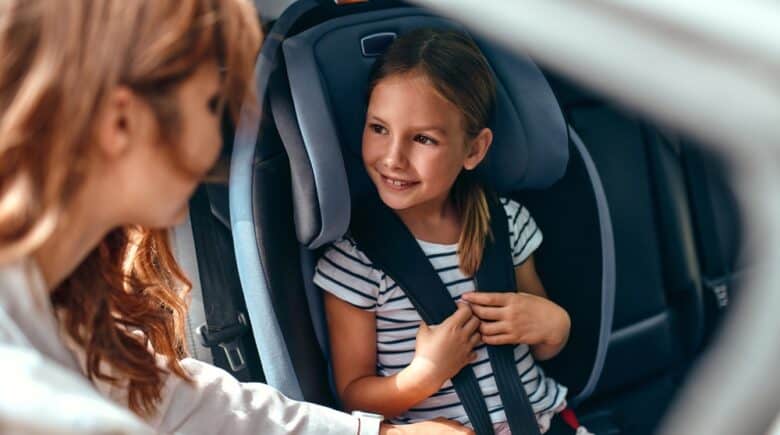
Meanwhile, car seat safety programs are expanding through partnerships between hospitals, police departments, and Safe Kids Worldwide — a global coalition backed by Johnson & Johnson. Certified technicians at over 700 inspection stations nationwide offer free car seat checks, ensuring seats are properly installed and matched to the child’s age, height, and weight.
Even better: if your seat is expired, damaged, or incompatible, some programs provide free replacements. In states like Oregon and Maryland, Medicaid-eligible families can receive a new car seat at no cost through state-funded child passenger safety initiatives.
Why These Free Upgrades Matter — Beyond the Obvious
It’s not just about avoiding tragedy. It’s about financial survival.
A house fire can cost the average family over $20,000 in out-of-pocket damages — not counting medical bills or temporary housing. And without insurance, many are forced into debt or displacement. According to the National Fire Protection Association (NFPA), nearly one-third of U.S. home fire deaths between 2019 and 2023 occurred in homes with no working smoke alarms.
Carbon monoxide poisoning is even more insidious. The odorless, colorless gas kills over 400 Americans annually and sends another 20,000 to the ER. Yet, a 2024 Consumer Reports survey found that 40% of homes lack a CO detector — often due to cost or confusion about placement.
Car seat failures are equally costly. The National Highway Traffic Safety Administration (NHTSA) estimates that 46% of child restraints are misused — leading to preventable injuries that can rack up six-figure medical bills. A single ICU stay for a child with head trauma from a crash can exceed $150,000.
But here’s the good news: prevention is cheap. A smoke alarm costs as little as $10. A CO detector runs under $30. A car seat inspection takes 20 minutes. And when provided free, the barrier to safety vanishes.
How to Claim Your Free Safety Gear — Step by Step
Don’t wait for a scare to act. Here’s how to get protected — at zero cost.
For Smoke and CO Detectors:
- Call your local fire department and ask: “Do you offer free smoke or carbon monoxide detector installation?”
- Visit redcross.org/homefires and enter your ZIP code to find a free alarm installation event near you.
- If you’re elderly, disabled, or live in subsidized housing, mention it — many programs prioritize high-risk households.
For Car Seat Safety:
- Find a certified inspection station via safekids.org/find-a-tech.
- Call ahead: some locations require appointments, while others host walk-in clinics on weekends.
- Bring the car seat manual, your vehicle, and the child who uses the seat — technicians need all three to ensure a proper fit.
- Ask about replacement programs if your seat is expired (typically after 6–10 years) or has been in a crash.
Many programs also offer bilingual technicians and mobile units that come to community centers, schools, and churches — especially in underserved neighborhoods.
The Bigger Picture: Policy Shifts Making Safety More Accessible
This isn’t just goodwill — it’s policy in motion.
In 2024, the Biden-Harris administration allocated $50 million in FEMA grants to expand free alarm programs in low-income and rural communities. At the same time, the Infrastructure Investment and Jobs Act began funding mobile car seat inspection vans in 15 states, aiming to close the safety gap in areas with limited access to hospitals or fire stations.
Local governments are stepping up too. In New York City, free car seat distribution is now part of the public health outreach for new parents. In Dallas, fire crews are equipped with installation kits and dispatched on preventive visits — not just emergency calls.
Experts say the shift reflects a broader move toward “upstream” public health: stopping crises before they happen. “We’re realizing that firefighters and EMTs are also public health workers,” says Dr. Elena Martinez, a policy analyst at the Urban Institute. “Investing in prevention saves lives — and taxpayer dollars.”
What You Should Do Now
This isn’t a story about handouts. It’s about access.
A working smoke alarm halves your risk of dying in a fire. A properly installed car seat reduces infant death risk by 71%. These aren’t luxuries — they’re essentials. And they’re available for free.
If you’re a parent, grandparent, caregiver, or renter, take action tonight:
- Test your smoke alarms. Press the button. If it doesn’t beep, you’re unprotected.
- Check your CO detector. If you don’t have one, you’re at risk.
- Look at your child’s car seat. If it’s loose, expired, or you’re not sure it’s right — get it checked.
Then pick up the phone. Call your fire department. Visit safekids.org. Use the resources that already exist.
Because the most dangerous thing in your home isn’t fire or carbon monoxide — it’s the belief that you have to face these risks alone.
References
- National Fire Protection Association (NFPA): nfpa.org/smoke-alarms
- American Red Cross Home Fire Campaign: redcross.org/homefires
- Safe Kids Worldwide – Car Seat Safety: safekids.org
Thousands of families are one faulty wire or loose car seat away from disaster — but help is available at no cost. Fire departments and hospitals nationwide are giving away life-saving gear. Here’s how to claim yours before it’s too late.
A Silent Crisis in Plain Sight
Every 24 seconds, a fire department responds to a blaze somewhere in the U.S. Every day, three children die in car crashes where improper restraints played a role. These aren’t just statistics — they’re preventable tragedies unfolding in homes and vehicles across America. And yet, a simple fix exists: working smoke detectors, carbon monoxide alarms, and properly installed car seats. The catch? Too many families don’t have them — not because they don’t care, but because they can’t afford them.
But what if you could get these critical safety tools for free?
Across the country, local fire departments, hospitals, and nonprofit coalitions are quietly offering free installation of smoke and CO detectors — especially during Fire Safety Month in October — and providing no-cost car seat inspections, even replacements for low-income parents. These programs fly under the radar, but they’re saving lives. And right now, in 2025, access is wider than ever.
The Hidden Safety Net: Who’s Offering What — and Where
Fire departments aren’t just for emergencies anymore. In cities like Chicago, Houston, and Philadelphia, firefighters now conduct free home safety visits, installing smoke and carbon monoxide detectors at no charge. The push is part of a national initiative led by the U.S. Fire Administration and amplified by the American Red Cross, which has distributed over 2 million free smoke alarms since 2014 through its Home Fire Campaign.
The process is simple: call your local fire station or visit the Red Cross website and request a free home visit. Teams will come to your door, test existing alarms, replace expired units, and install new ones — often within 48 hours.
“Most people don’t realize their fire department does this,” says Captain Lisa Tran of the Los Angeles Fire Department. “We’d rather prevent a fire than respond to one. These alarms cut fire deaths by up to 50%.”
Meanwhile, car seat safety programs are expanding through partnerships between hospitals, police departments, and Safe Kids Worldwide — a global coalition backed by Johnson & Johnson. Certified technicians at over 700 inspection stations nationwide offer free car seat checks, ensuring seats are properly installed and matched to the child’s age, height, and weight.
Even better: if your seat is expired, damaged, or incompatible, some programs provide free replacements. In states like Oregon and Maryland, Medicaid-eligible families can receive a new car seat at no cost through state-funded child passenger safety initiatives.
Why These Free Upgrades Matter — Beyond the Obvious
It’s not just about avoiding tragedy. It’s about financial survival.
A house fire can cost the average family over $20,000 in out-of-pocket damages — not counting medical bills or temporary housing. And without insurance, many are forced into debt or displacement. According to the National Fire Protection Association (NFPA), nearly one-third of U.S. home fire deaths between 2019 and 2023 occurred in homes with no working smoke alarms.
Carbon monoxide poisoning is even more insidious. The odorless, colorless gas kills over 400 Americans annually and sends another 20,000 to the ER. Yet, a 2024 Consumer Reports survey found that 40% of homes lack a CO detector — often due to cost or confusion about placement.
Car seat failures are equally costly. The National Highway Traffic Safety Administration (NHTSA) estimates that 46% of child restraints are misused — leading to preventable injuries that can rack up six-figure medical bills. A single ICU stay for a child with head trauma from a crash can exceed $150,000.
But here’s the good news: prevention is cheap. A smoke alarm costs as little as $10. A CO detector runs under $30. A car seat inspection takes 20 minutes. And when provided free, the barrier to safety vanishes.
How to Claim Your Free Safety Gear — Step by Step
Don’t wait for a scare to act. Here’s how to get protected — at zero cost.
For Smoke and CO Detectors:
- Call your local fire department and ask: “Do you offer free smoke or carbon monoxide detector installation?”
- Visit redcross.org/homefires and enter your ZIP code to find a free alarm installation event near you.
- If you’re elderly, disabled, or live in subsidized housing, mention it — many programs prioritize high-risk households.
For Car Seat Safety:
- Find a certified inspection station via safekids.org/find-a-tech.
- Call ahead: some locations require appointments, while others host walk-in clinics on weekends.
- Bring the car seat manual, your vehicle, and the child who uses the seat — technicians need all three to ensure a proper fit.
- Ask about replacement programs if your seat is expired (typically after 6–10 years) or has been in a crash.
Many programs also offer bilingual technicians and mobile units that come to community centers, schools, and churches — especially in underserved neighborhoods.
The Bigger Picture: Policy Shifts Making Safety More Accessible
This isn’t just goodwill — it’s policy in motion.
In 2024, the Biden-Harris administration allocated $50 million in FEMA grants to expand free alarm programs in low-income and rural communities. At the same time, the Infrastructure Investment and Jobs Act began funding mobile car seat inspection vans in 15 states, aiming to close the safety gap in areas with limited access to hospitals or fire stations.
Local governments are stepping up too. In New York City, free car seat distribution is now part of the public health outreach for new parents. In Dallas, fire crews are equipped with installation kits and dispatched on preventive visits — not just emergency calls.
Experts say the shift reflects a broader move toward “upstream” public health: stopping crises before they happen. “We’re realizing that firefighters and EMTs are also public health workers,” says Dr. Elena Martinez, a policy analyst at the Urban Institute. “Investing in prevention saves lives — and taxpayer dollars.”
What You Should Do Now
This isn’t a story about handouts. It’s about access.
A working smoke alarm halves your risk of dying in a fire. A properly installed car seat reduces infant death risk by 71%. These aren’t luxuries — they’re essentials. And they’re available for free.
If you’re a parent, grandparent, caregiver, or renter, take action tonight:
- Test your smoke alarms. Press the button. If it doesn’t beep, you’re unprotected.
- Check your CO detector. If you don’t have one, you’re at risk.
- Look at your child’s car seat. If it’s loose, expired, or you’re not sure it’s right — get it checked.
Then pick up the phone. Call your fire department. Visit safekids.org. Use the resources that already exist.
Because the most dangerous thing in your home isn’t fire or carbon monoxide — it’s the belief that you have to face these risks alone.
References
- National Fire Protection Association (NFPA): nfpa.org/smoke-alarms
- American Red Cross Home Fire Campaign: redcross.org/homefires
- Safe Kids Worldwide – Car Seat Safety: safekids.org




)