Fact-checked by the MyFinancial101 editorial team
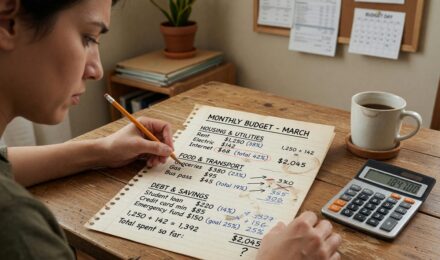
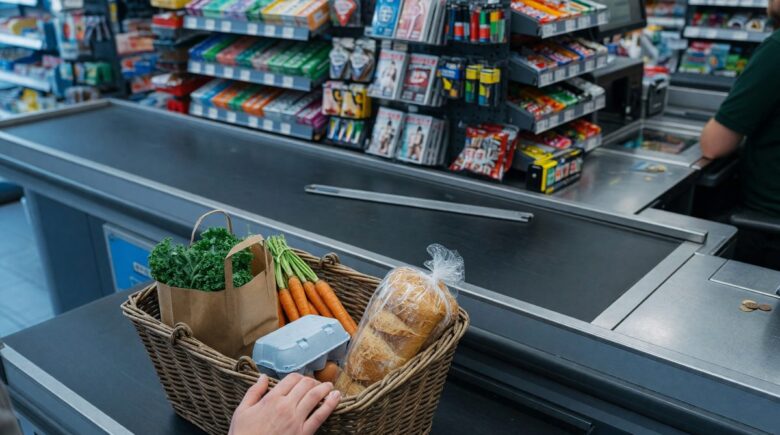
The average U.S. household spent $6,224 on food at home in 2024, according to the Bureau of Labor Statistics, that’s over $518 a month flowing through the checkout lane. For millions of families already navigating tight budgets, spending less on groceries has become a necessity, not a hobby. Yet the gap between intention and outcome is wide: most people who say they’re actively trying to save on food still see their grocery bills inch higher month after month. The strategies they lean on, buying in bulk, clipping a random coupon, wandering the store without a list, often do the opposite of what they promise.
What makes this frustrating is the subtlety of the traps. Grocery stores are engineered environments, designed to nudge you toward larger carts and higher margins. When you combine that with common human habits, shopping hungry, skipping a meal plan, ignoring the food already sitting in your fridge, the result is a predictable pattern of overspending. A Penn State Extension guide points to a simple reality: planning meals before shopping and joining loyalty programs transforms sporadic cost-cutting into systematic savings. Without a system, willpower alone rarely wins.
This article unpacks the five mistakes that sabotage spending less on groceries, and the concrete fixes that change the math. You’ll get a clear, data-backed look at where your food dollars actually go, tools for trimming waste without eating less, and a repeatable weekly routine that keeps more cash in your pocket year-round.
Key Takeaways
- Households that meal-plan consistently spend 15–20% less on food, a potential $78–$104 saved each month on the average food-at-home budget.
- Impulse purchases can account for 40–60% of unplanned grocery spending, with hunger and stress magnifying the effect.
- Skipping a pantry check before shopping leads to duplicate buys and spoilage; the average U.S. household wastes 30–40% of its food supply.
- Digital coupons, cashback apps, and store loyalty programs, largely ignored in many “frugal shopping” guides, can stack savings beyond what paper coupons alone deliver.
- Switching to store brands cuts grocery bills by 20–30% on average, yet fewer than half of shoppers do it consistently for every category.
- Price matching policies at retailers like Target and Walmart let you secure the best local price without driving to multiple stores, a zero-effort win most people skip.
In This Guide
- Why Your Grocery Budget Keeps Bleeding Money
- Mistake 1: Skipping the Meal Plan and Shopping List
- Mistake 2: Shopping Hungry or Stressed
- Mistake 3: Ignoring What’s Already in Your Kitchen
- Mistake 4: Chasing Bulk Deals Without a Strategy
- Mistake 5: Treating Leftovers Like an Afterthought
- The Underused Tools That Actually Cut Costs
- Building a Grocery Routine That Sticks
Why Your Grocery Budget Keeps Bleeding Money
The total average annual household expenditure hit $78,535 in 2024, and food at home gobbled up nearly 8% of that. For many, it’s the third-largest monthly line item after housing and transportation. What makes groceries uniquely slippery is the illusion of control: you choose every item, yet the final total rarely matches what you expected. That gap comes from small, daily decisions that compound, an extra bag of chips here, a name-brand swap there, a forgotten tub of yogurt that molds before Wednesday.
Stores are built to exploit this. Staples like milk and eggs sit at the back, forcing you to walk past endcap displays and high-margin center-aisle snacks. Research on consumer behavior consistently shows that unplanned purchases spike when shoppers deviate from a list, and hunger amplifies the pull. The Clemson University Home & Garden Information Center recommends shopping when not hungry or rushed for a reason: those two states short-circuit the rational part of your brain that compares unit prices and remembers your budget.
Then there’s the mental accounting trap. People who track every dollar spent on streaming services or coffee runs often treat grocery spending as a fixed, untouchable cost. It’s not. A two-week tracking exercise usually reveals $50–$100 in slack that can be redirected without anyone eating less. That slack is what the five mistakes below target.
Groceries are also one of the few budget categories where behavioral shifts, rather than income changes, drive real results. You don’t need a raise from your employer or a lower APR on a Chase credit card to cut your food bill. You need a system. Families who carry high-interest debt tracked by services like Experian or NerdWallet often find that trimming $100–$150 a month in grocery waste is the fastest way to free up cash without touching fixed expenses.
If impulse purchases make up just 40% of unplanned spending, the typical household could be leaking $124–$207 every month into items they didn’t intend to buy.
Mistake 1: Skipping the Meal Plan and Shopping List
Walking into a grocery store without a meal plan is the financial equivalent of walking into a casino without a loss limit. You’re betting that inspiration will strike, that you’ll remember what you already have, and that the final tally will land somewhere reasonable. It rarely does. The Utah State University Extension puts it bluntly: a meal plan and detailed shopping list cut down on impulse buys and duplicate purchases. Without them, you’re playing defense against a store designed to keep you browsing.
The difference between a vague “need milk, bread, something for dinner” list and a full weekly plan is stark. The first leads to multiple trips, each one an opportunity to grab a $4 snack or a $7 bottle of wine you didn’t plan on. The second ties every item to a specific meal, uses the store’s weekly ad to anchor choices, and leaves almost no room for the mental math that says “eh, it’s only a couple bucks.” Over a month, that couple bucks adds up fast.
Time is the usual objection. People assume meal planning demands hours of Pinterest scrolling and color-coded spreadsheets. It doesn’t. A realistic plan takes 20–30 minutes once a week, less time than a typical supermarket run, and it pays back in both money and reduced decision fatigue. Seasonal produce like winter squashes and root vegetables are cheap, versatile, and form the backbone of plans that keep costs predictable. Pair that with a list you actually follow, and the 15–20% spending reduction isn’t a theory; it’s a near-automatic result.
One honest caveat: meal planning works best when your household’s schedule is reasonably predictable. Families with irregular work shifts, frequent travel, or last-minute schedule changes may find a rigid five-night plan breaks down by Wednesday. In those cases, a looser framework, two or three anchored meals and a flexible “use what’s here” night, is more durable than a full seven-day blueprint.
What a Real Meal Plan Looks Like
A workable plan doesn’t need to be elaborate. Start by scanning what’s already in the fridge and pantry, those half-used bags of rice and wilting spinach are your first ingredients. Then check the store circular for proteins and produce on sale. Build five to six dinners around those items, leaving one night for leftovers. Write the list organized by store section, and stick to it. That’s the system; the savings come from reducing the number of “quick stops” and the $15–$25 each one costs.
If you dread planning, start with a template: Monday pasta, Tuesday tacos, Wednesday stir-fry, Thursday sheet pan, Friday pizza, Saturday leftovers. Rotate the protein and vegetables based on what’s on sale. You’ll nail variety without reinventing the wheel every week.
Mistake 2: Shopping Hungry or Stressed
There’s a physiological reason grocery stores pump the smell of fresh bread into the air, and why you should never walk through those automatic doors on an empty stomach. Harvard Health explains that hunger activates the brain’s reward centers, making high-calorie, high-margin items nearly impossible to resist. The result: a cart that swells by 20–60% in unplanned items, many of which are processed snacks or convenience foods you’d skip after a meal.
Stress mimics the same effect. A long workday, a crying toddler in the cart, a tight time window, all of them bypass the deliberative part of your brain and push you toward whatever is fast and comforting. You grab pre-cut fruit at triple the price, a rotisserie chicken you could have made cheaper, and a bag of cookies because, frankly, it’s been that kind of day. None of those choices are wrong in isolation, but they collectively torpedo any effort at spending less on groceries.
The fix here splits into two straightforward tactics. First, time your shopping for right after a meal, weekend mornings after breakfast work well. Second, if your schedule doesn’t allow that, use curbside pickup or delivery. The small delivery fee (often $5–$10) is frequently cheaper than the $20–$40 in impulse buys you’ll avoid, and you can review your cart with a calm, full stomach before hitting order.
Shopping late at night, even after dinner, carries its own brand of fatigue-driven impulse spending. The mental energy required to compare unit prices and resist endcap displays is depleted, and the “I just want to get home” mindset turns a $80 trip into $110 without a single conscious splurge.

Mistake 3: Ignoring What’s Already in Your Kitchen
Most kitchens hold a quiet inventory of forgotten purchases: the second bottle of olive oil bought because you couldn’t remember if you had one, the three cans of black beans from three separate “just in case” trips, the bag of spinach slowly turning to liquid in the crisper drawer. This invisible stockpile drains any effort at spending less on groceries because it turns today’s shopping trip into a rebuying exercise. The USDA estimates that 30–40% of the food supply goes to waste, and a significant slice of that starts at home with over-purchasing.
The irony is that this habit often intensifies when someone is trying to save. A sale on chicken breasts hits, so you stock up, forgetting there’s already a pack in the freezer. You see a deal on pasta sauce and grab three jars, even though the pantry already holds four. Each “deal” adds to the pile, and without a system to use what you have, the oldest items spoil while the newest sit pretty. The net effect: you’re buying groceries you never eat, which is the opposite of saving money.
A pre-shop inventory takes five minutes. Open the fridge, freezer, and pantry. Note what needs to be used soon and build your meal plan around those items first. A simple habit of checking before every trip cuts duplicate buys immediately and slashes weekly waste by a noticeable margin. It also forces an honest audit of what your household actually consumes, information that sharpens every future grocery list.
| Shopping Habit | Without Inventory Check | With 5-Min Inventory Check |
|---|---|---|
| Monthly food waste | $155–$207 (30–40% of $518) | $78–$104 (realistic target after habit change) |
| Duplicate purchases | 2–4 per trip (average $8–$15) | 0–1 per trip |
| Meal variety | Unplanned, often repetitive | Uses existing stock first, adds variety from sales |
The Clemson University Home & Garden Information Center advises shoppers to plan menus and write a shopping list based on what they already have on hand and what is currently on sale, then shop when not hungry or rushed, compare unit prices, and avoid impulse buys. That sequence of habits, pantry first, list second, store third, is the lowest-effort path to eliminating duplicate purchases. (Source: Clemson University Home & Garden Information Center)
Mistake 4: Chasing Bulk Deals Without a Strategy
Bulk buying looks like a financial win on the price tag, but for perishables and items your household won’t finish before they spoil, it’s often a net loss. The sticker price per ounce might be lower, but the actual cost, accounting for the 30–40% wasted, can erase or even reverse the savings. A gallon of milk at a slight discount does nothing for you if half of it goes sour by Thursday. The same logic applies to giant bags of salad greens, family packs of meat you forget to freeze, and warehouse-club produce that rots before you can eat it all.
Where bulk does work: non-perishable staples you consistently use, rice, canned tomatoes, toilet paper, and freezer-friendly proteins you’ll portion and store immediately. The discipline to apply here is unit-price comparison: check the per-ounce or per-pound figure on the shelf tag against the standard size. If the bulk saving is under 10% and there’s any risk of spoilage, skip it. Retailers like Costco and Sam’s Club are built around the assumption that you’ll use everything you buy. That assumption is often wrong for smaller households.
SoFi’s personal finance research has noted that bulk buying is one of the most common ways well-intentioned savers inadvertently inflate their food budgets. The Federal Reserve’s consumer spending surveys confirm that households with lower incomes are disproportionately hurt by this pattern, since they have less freezer space and fewer resources to absorb spoiled food. Buying smart in small quantities often beats buying cheap in large ones.
Mistake 5: Treating Leftovers Like an Afterthought
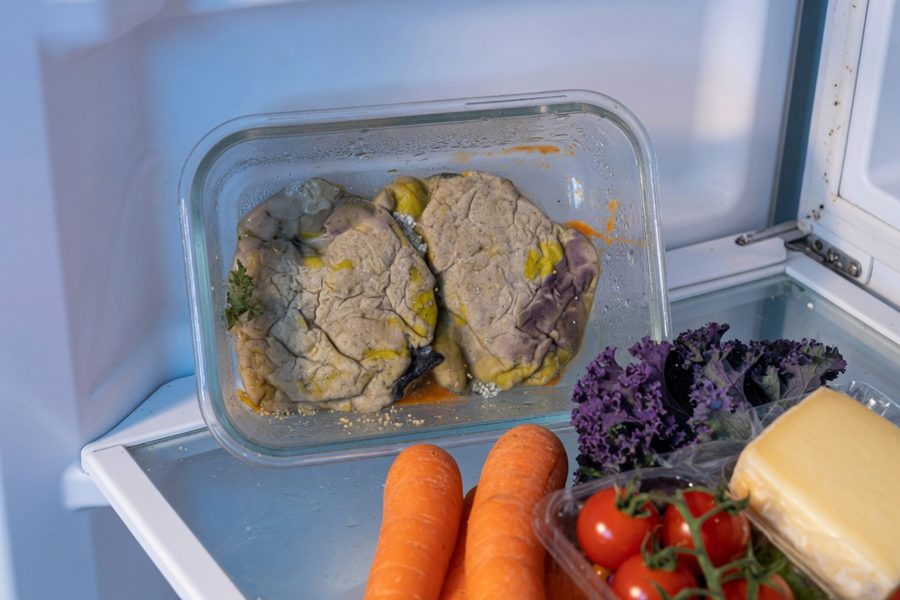
Leftovers aren’t a bonus; they’re a line item in your grocery budget. When dinner extras get pushed to the back of the fridge and discovered a week later under a layer of fuzz, you’ve thrown away both the food and the money you spent on it. The average household’s 30–40% waste rate means roughly $155–$207 of that $518 monthly food-at-home budget ends up in the trash. A chunk of that is uneaten leftovers. Another chunk is produce that wasn’t used in time. Combined, they represent the single biggest financial leak in most kitchens.
This mistake compounds when you’re actively trying to save because it undercuts every other frugal tactic. You might clip coupons, meal plan, and buy store brands, but if Thursday’s stir-fry becomes Sunday’s science experiment, the savings evaporate. The fix isn’t complicated: designate one or two nights a week as “leftover nights,” label containers with dates, and freeze anything you won’t eat within three days. The habit requires almost no extra time and directly converts wasted dollars into money kept.
Freezing leftovers the day you cook them, rather than after they’ve sat in the fridge, locks in texture and taste, making you far more likely to actually eat them later. Most cooked dishes freeze well for up to three months.
Tracking waste for just two weeks often shocks people into change. Write down, in approximate dollar terms, what gets tossed. The total is typically $30–$60 per week, enough to fund a modest side-savings account or, for households dealing with high-interest credit card balances, accelerate a payoff plan by months. Even modest reductions in a card’s outstanding balance lower the DTI (debt-to-income ratio) that lenders and credit bureaus like Experian and Equifax use to evaluate financial health.
The Underused Tools That Actually Cut Costs
Most advice on spending less on groceries stops at meal planning and list-making. Those are essential, but they ignore a set of tools that systematically lower the price of what you buy without extra effort. Digital coupons, cashback apps, store-brand swaps, and price matching each have a measurable impact, and together they can trim 20–30% off a typical grocery bill. The catch is that they require a one-time setup, not ongoing heroics.
Couponing and Cashback Apps, Beyond Paper Clips
The days of clipping Sunday circulars are still here, but they’ve been joined by apps like Ibotta, Fetch, and store-specific loyalty programs that automatically apply digital coupons at checkout. Stackers who combine manufacturer coupons, store coupons, and cashback offers routinely shave $20–$50 off a single trip. The difference from random couponing is consistency: it’s a deliberate system, not a hope-based one. Spend ten minutes before your weekly shop loading digital coupons and scanning cashback offers, and you’ll see the dent at the register.
Some Chase credit cards, including the Chase Freedom Flex, offer rotating quarterly categories that include grocery purchases at 5% cash back, which stacks on top of store coupons and app-based rebates. The CFPB has noted that consumers who actively use rewards cards for planned purchases, rather than spontaneous ones, tend to come out ahead. The critical discipline is paying the balance in full each month; carrying a balance at a high APR erases any reward earned and then some.
The Store-Brand Switch Worth 20–30%
Consumer Reports has found that switching to store brands saves an average of 25% across a typical grocery cart, with many items indistinguishable from name brands in blind taste tests. On that $518 monthly average, a consistent 25% reduction across the cart yields roughly $130 per month, or more than $1,550 saved over a full year. The resistance is psychological. People assume name brands signal quality, but for staples like flour, sugar, canned vegetables, and dairy, the ingredient lists are often identical. Start with pantry basics, then test one new store-brand item each week until the habit becomes automatic.
| Product Category | Name-Brand Avg Price | Store-Brand Avg Price | Savings % |
|---|---|---|---|
| Canned diced tomatoes (14.5 oz) | $1.49 | $0.89 | 40% |
| Peanut butter (16 oz) | $3.99 | $2.79 | 30% |
| Shredded cheddar (8 oz) | $3.49 | $2.49 | 29% |
| Quick oats (42 oz) | $5.29 | $3.99 | 25% |
Price Matching: One Trip, Lowest Price
Target’s Price Match Guarantee and Walmart’s price matching policy let you show a competitor’s lower price at checkout and pay that amount. You don’t need to drive across town to three different stores to cherry-pick deals, one stop, one receipt, one set of savings. Keep a quick list of current sale prices from local competitors on your phone; a two-minute check before you head out turns into a $10–$20 win without extra mileage.
Aldi and Lidl, discount grocers that operate on a low-overhead, private-label model, systematically ring in 30–50% below traditional supermarket prices for comparable items. Shifting just half your weekly shop there can cut a $518 monthly bill to under $390 without sacrificing quantity or quality.
Discount Grocery Stores as the Baseline Strategy
If you have an Aldi, Lidl, or a well-run local discount grocer within driving distance, making it your primary store is the single largest structural change you can make to your food budget. These stores don’t rely on coupons or loyalty gimmicks because their everyday pricing is already slashed. A price comparison by The Kitchn found that a basket of 30 common items cost $55.91 at Aldi versus $82.03 at a traditional chain, a 32% difference. Pair that with a meal plan and a list, and the savings compound.
Building a Grocery Routine That Sticks
The mistakes above are patterns, not character flaws. Breaking them doesn’t require iron will; it requires a repeatable weekly system that makes the right choices easier than the wrong ones. Start by tracking your actual grocery spending for two to four weeks, not to judge, but to know. That data gives you a baseline and immediately highlights the categories where leaks are worst. Many households discover they’re spending $150–$200 more than they thought, simply because the small trips and impulse buys never made it into the mental budget.
Combine the fixes into a single flow: on Saturday morning, check the pantry and fridge, note what’s on sale via the store app, plan five or six meals around those items, load digital coupons, and build a list. Shop after breakfast, stick to the list, and do it once, not three or four times a week. The first month, treat it as an experiment. Compare the total to your baseline. The difference, for most families, will land between $80 and $130 in savings, and that’s before factoring in reduced waste and duplicate buys.
Revisit the system when prices shift. In early 2025, for example, egg prices spiked due to avian flu, and some produce categories swung by 15–20% month-to-month. A rigid plan that ignores those fluctuations will break. A flexible one, where you swap proteins or vegetables based on what’s cheapest that week, stays intact and keeps your budget protected from sticker shock. For households where every dollar counts, food assistance programs like SNAP remain under pressure, making private savings tactics even more critical as a buffer. The USDA administers SNAP, but it’s the CFPB and Federal Reserve consumer surveys that consistently document how food insecurity correlates with broader financial distress, including rising credit card debt and declining FICO Scores.
Real-World Example: The $1,900 Annual Turnaround
Consider an illustrative example: a two-adult household spending the 2024 average of $518 per month on groceries. They decide to implement three changes, a weekly meal plan with list, switching 60% of their purchases to store brands, and doing all shopping at a discount grocer instead of a traditional chain. After tracking for a month, their average spend drops to $357 per month, a $161 reduction. Over a full year, that’s $1,932 kept in the bank, even after accounting for the occasional trip to a mainstream store for specialty items they can’t find at Aldi. They didn’t cut calories, didn’t eat beans and rice every night, and didn’t spend more than 30 minutes extra per week on planning and prep.
Your Action Plan
-
Do a five-minute pantry, fridge, and freezer audit every Saturday morning.
Write down what’s already open, what’s close to expiring, and what you have multiples of. This step alone prevents most duplicate and impulse buys.
-
Check your store’s weekly ad and digital coupon app before you plan meals.
Identify the proteins and produce on deep discount. Those items become the anchors for your five to six planned dinners. Load all relevant coupons to your loyalty card in one go.
-
Write a categorized shopping list tied to your meal plan, and stick to it.
A list organized by store section (produce, dairy, meat, pantry) cuts time in the store and reduces exposure to impulse-display aisles. If it’s not on the list, it doesn’t go in the cart.
-
Always shop on a full stomach and, if possible, alone.
Schedule your one big weekly trip for a weekend morning after breakfast. If stress or timing makes that impossible, default to curbside pickup or delivery to keep impulse purchases near zero.
-
Compare unit prices, not sticker prices, and default to store brands for staples.
Look at the small per-ounce or per-pound number on the shelf tag. For at least 10 staple items you buy regularly, test the store-brand version and keep the ones that pass your household’s taste test.
-
Designate two nights a week for leftovers and freeze anything you won’t eat within three days.
Label containers with dates. This simple habit converts potential waste into free meals and directly shrinks the amount of food, and money, you throw away each month.
-
Track your grocery spending for the next month and review your last four receipts right now.
Identify patterns: what items do you buy repeatedly at full price? Where did you impulse-spend? Use that data to set a specific, realistic weekly target, not an arbitrary number, but one built on your actual habits minus the identified leaks.
Frequently Asked Questions
How much does meal planning really save?
Households that consistently meal plan and shop with a list spend 15–20% less on food. On the average $518 monthly grocery bill, that translates to $78–$104 in savings each month.
Is it cheaper to buy in bulk?
Only for non-perishable staples you use regularly, like rice, canned goods, or toilet paper. For perishable items, bulk purchases often lead to spoilage, the 30–40% waste rate can wipe out any per-unit savings. Always compare unit prices and assess whether you’ll finish the product before it expires.
Does shopping at discount stores like Aldi really lower my bill?
Yes. Price comparisons show baskets from Aldi or Lidl can be 30–50% cheaper than traditional supermarkets for comparable items. Shifting even half of your weekly shop to a discount grocer cuts a typical bill by $130 or more per month without clipping coupons.
Can I save money using coupons and cashback apps?
Absolutely, if you use them systematically. Digital coupon stackers who combine store loyalty offers with cashback apps like Ibotta or Fetch report saving $20–$50 per trip. Consistency matters: spending 10 minutes before each trip loading offers beats random, last-minute coupon hunting every time.
Are store brands really as good as name brands?
In blind taste tests conducted by Consumer Reports and others, many store-brand items are indistinguishable from name brands, often produced in the same facilities. For staples like canned vegetables, flour, sugar, and dairy, the ingredient lists are nearly identical. Switching saves an average of 25% across the cart.
How do I avoid impulse buying at the grocery store?
The most effective protections are a detailed list, shopping on a full stomach, and using curbside pickup or delivery if you’re stressed or pressed for time. These tactics physically limit your exposure to unplanned items and reduce the biological urge to grab high-margin snacks.
What is unit pricing, and why does it matter?
Unit pricing shows the cost per ounce, pound, or liter on the shelf tag beneath the total price. It lets you compare different-sized packages and brands on an apples-to-apples basis. Many “bulk” or “sale” items aren’t cheaper per unit than the regular size, and checking the unit price prevents that misjudgment.
How can I cut food waste without spending more time cooking?
Designate one or two leftover nights per week, freeze cooked meals the same day they’re made, and store produce properly to extend its life. These habits take almost no extra time and directly reduce the $155–$207 in monthly food waste that the typical household generates.
Sources
- U.S. Bureau of Labor Statistics, Consumer Expenditures, 2024
- Utah State University Extension, 15 Ways to Save Money on Food
- Clemson University HGIC, Stretch Your Food Dollars Part 2
- Penn State Extension, Saving Money on Food When You Have a Tight Budget
- USDA ERS, Food Availability and Consumption Data
- Target, Price Match Guarantee
{“@context”:”https://schema.org”,”@graph”:[{“@type”:”Organization”,”@id”:”https://myfinancial101.com/#organization”,”name”:”MyFinancial101″,”url”:”https://myfinancial101.com”},{“@type”:”Person”,”@id”:”https://myfinancial101.com/#person-derek-solis”,”name”:”Derek Solis”,”description”:”Derek Solis is a personal finance journalist and investment enthusiast who has spent the last decade covering economic trends, market movements, and smart spending habits for digital media outlets. He holds a degree in Economics from the University of Texas and specializes in making macroeconomic news relevant to everyday consumers. Derek is known for his sharp analysis and accessible writing styl”,”knowsAbout”:[“Personal Finance”]},{“@type”:”Article”,”headline”:”5 Mistakes People Make When Trying to Spend Less on Groceries”,”datePublished”:”2026-06-30″,”dateModified”:”2026-06-30″,”publisher”:{“@id”:”https://myfinancial101.com/#organization”},”mainEntityOfPage”:{“@type”:”WebPage”,”@id”:”https://myfinancial101.com/grocery-shopping-mistakes-spending-less”},”inLanguage”:”en”,”author”:{“@id”:”https://myfinancial101.com/#person-derek-solis”}},{“@type”:”FAQPage”,”mainEntity”:[{“@type”:”Question”,”name”:”How much does meal planning really save?”,”acceptedAnswer”:{“@type”:”Answer”,”text”:”Households that consistently meal plan and shop with a list spend 15–20% less on food. On the average $518 monthly grocery bill, that translates to $78–$104 in savings each month.”}},{“@type”:”Question”,”name”:”Is it cheaper to buy in bulk?”,”acceptedAnswer”:{“@type”:”Answer”,”text”:”Only for non-perishable staples you use regularly, like rice, canned goods, or toilet paper. For perishable items, bulk purchases often lead to spoilage, the 30–40% waste rate can wipe out any per-unit savings. Always compare unit prices and assess whether you’ll finish the product before it expires.”}},{“@type”:”Question”,”name”:”Does shopping at discount stores like Aldi really lower my bill?”,”acceptedAnswer”:{“@type”:”Answer”,”text”:”Yes. Price comparisons show baskets from Aldi or Lidl can be 30–50% cheaper than traditional supermarkets for comparable items. Shifting even half of your weekly shop to a discount grocer cuts a typical bill by $130 or more per month without clipping coupons.”}},{“@type”:”Question”,”name”:”Can I save money using coupons and cashback apps?”,”acceptedAnswer”:{“@type”:”Answer”,”text”:”Absolutely, if you use them systematically. Digital coupon stackers who combine store loyalty offers with cashback apps like Ibotta or Fetch report saving $20–$50 per trip. Consistency matters: spending 10 minutes before each trip loading offers beats random, last-minute coupon hunting every time.”}},{“@type”:”Question”,”name”:”Are store brands really as good as name brands?”,”acceptedAnswer”:{“@type”:”Answer”,”text”:”In blind taste tests conducted by Consumer Reports and others, many store-brand items are indistinguishable from name brands, often produced in the same facilities. For staples like canned vegetables, flour, sugar, and dairy, the ingredient lists are nearly identical. Switching saves an average of 25% across the cart.”}},{“@type”:”Question”,”name”:”How do I avoid impulse buying at the grocery store?”,”acceptedAnswer”:{“@type”:”Answer”,”text”:”The most effective protections are a detailed list, shopping on a full stomach, and using curbside pickup or delivery if you’re stressed or pressed for time. These tactics physically limit your exposure to unplanned items and reduce the biological urge to grab high-margin snacks.”}},{“@type”:”Question”,”name”:”What is unit pricing, and why does it matter?”,”acceptedAnswer”:{“@type”:”Answer”,”text”:”Unit pricing shows the cost per ounce, pound, or liter on the shelf tag beneath the total price. It lets you compare different-sized packages and brands on an apples-to-apples basis. Many “bulk” or “sale” items aren’t cheaper per unit than the regular size, and checking the unit price prevents that misjudgment.”}},{“@type”:”Question”,”name”:”How can I cut food waste without spending more time cooking?”,”acceptedAnswer”:{“@type”:”Answer”,”text”:”Designate one or two leftover nights per week, freeze cooked meals the same day they’re made, and store produce properly to extend its life. These habits take almost no extra time and directly reduce the $155–$207 in monthly food waste that the typical household generates.”}}]}]}