Updated January 2026
Key Takeaways
- 6.66% was the average 30-year fixed mortgage rate in the U.S. as of July 30, 2026 (FRED MORTGAGE30US), marking a sustained climb above 6% for the first time in years.
- Only 50.6% of outstanding residential mortgages carry rates of 4% or lower as of Q4 2025, per Federal Housing Finance Agency data via Realtor.com, meaning the majority of borrowers face rates that outpace most low-risk investment returns.
- For most households, paying off a mortgage early only makes sense if they can’t earn more than 6.5% after taxes on alternative investments.
- Over 39.4% of U.S. owner-occupied homes were owned free and clear (mortgage-free) in the 2020–2024 period, according to the 2024 American Community Survey 5-year estimates, suggesting the psychological weight of a mortgage is fading for many.
As of early 2026, the decision to pay off your mortgage early is no longer a simple binary. The average 30-year fixed-rate mortgage now stands at 6.66%, a level not seen since the 2023 peak. This shift fundamentally changes the math for millions. According to Freddie Mac’s Primary Mortgage Market Survey, rates fell slightly in December 2025 but have since climbed steadily. For homeowners with loans in the 6–7% range, the choice between investing and prepayment is now a real financial trade-off.
For MyFinancial101 readers, the real question is how a 6%+ mortgage affects long-term savings, liquidity, and retirement planning. Whether you’re nearing retirement or building wealth in your 40s, understanding this balance is critical.
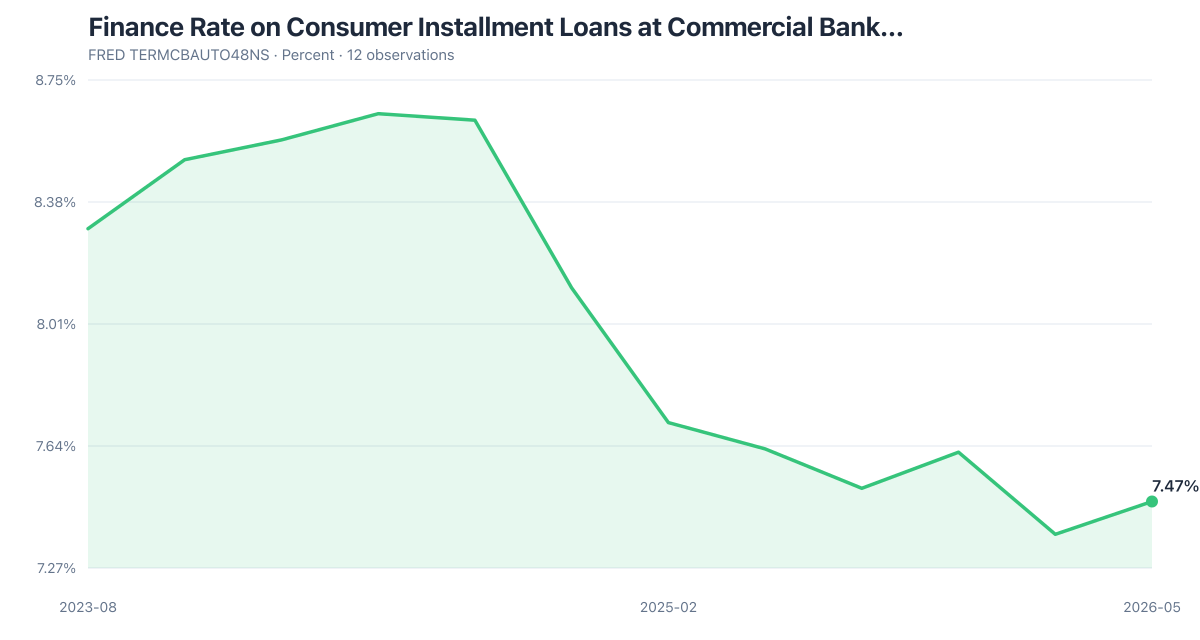
Series ID: MORTGAGE30US, Date Range: 2020–2026, Source: Federal Reserve Economic Data (FRED)
Series & as-of dates
The primary series is the 30-Year Fixed Rate Mortgage Average (MORTGAGE30US), obtained from FRED, with data updated through July 30, 2026. Observations are weekly. This chart uses public FRED observations maintained by this publication.
What Changed
As of July 30, 2026, the 30-year fixed mortgage rate rose to 6.66%, up from 6.58% the prior week, marking the highest sustained level since 2023, according to Fox Business reporting. This is a significant shift from the 3.5%–4.5% range that dominated 2020–2023. The December 2025 average rate of 6.19%, the lowest in the year, has since risen, reflecting a broader upward trend in borrowing costs.
The climb reflects persistent inflation and tighter monetary policy. Though rates dipped briefly in December 2025, they’ve since trended upward, driven by labor market strength and housing demand. The Federal Reserve has kept rates elevated, with no immediate sign of cuts in 2026. This creates a new normal: a mortgage rate that exceeds most low-risk returns.
| Period | Value | Change |
|---|---|---|
| 2026-07-30 | 6.66% | +0.08% |
| 2026-07-23 | 6.58% | +0.08% |
| 2025-12-01 | 6.19% | +0.47% |
| 2025-09-01 | 5.87% | +0.32% |
| 2025-06-01 | 5.61% | +0.26% |
| 2025-03-01 | 5.44% | +0.17% |
Key Takeaway: With a 6.66% rate, homeowners with loans above 6.5% should seriously consider whether investing the extra money yields higher returns than paying down the mortgage. This threshold is now a practical benchmark for most.
Related Context
While mortgage rates are rising, the return on safe assets remains capped. The 10-year Treasury yield stood at 4.3% in late July 2026, well below the 6.66% mortgage rate. This gap confirms that for many, paying off a mortgage early is still better than parking money in low-risk instruments.
Even high-yield savings accounts, a common alternative, average only 4.7% in 2026. That’s 1.96 percentage points below the average mortgage rate. Only a small fraction of investors can consistently beat a 6.66% mortgage with after-tax returns. Bankrate’s analysis of early payoff strategies underscores that for most households, prepayment yields a guaranteed, risk-free return that few investments can match.
For a $350,000 loan balance, the annual interest at 6.66% is $23,310. Over 10 years, that’s $233,100 in payments. If you can earn more than 6.66% after taxes on investments, the payoff is less urgent. But if you can’t, the math favors paying off early.
Key Takeaway: In 2026, the real opportunity cost of keeping a mortgage is not just the interest but the gap between that rate and safe, accessible alternatives. That gap is wide.
What This Means for You
If your mortgage rate is above 6.5%, especially if you’re in a high tax bracket, paying it off early likely beats any investment strategy. The risk of market downturns is real. But a 6.66% mortgage is a guaranteed return, one you can’t lose.
For those with rates below 6% according to Federal Housing Finance Agency (via Realtor.com research), the decision is more nuanced. If you can earn 7%+ after taxes on diversified investments, it may make sense to keep the loan and invest. But this requires discipline and access to higher-return vehicles like stocks or real estate, not just savings accounts.
For those nearing retirement, paying early can reduce financial stress and increase retirement flexibility. It also improves eligibility for future government programs. Many means-tested benefits consider debt levels. A mortgage-free home may help qualify for assistance.
Of note, 50.6% of outstanding residential mortgages carry interest rates of 4% or lower as of Q4 2025, per FHFA National Mortgage Database data via Realtor.com. This means that nearly half of all borrowers still have favorable rates. But for the majority, the landscape has shifted.
Key Takeaway: If your rate is above 6.5% and you’re confident in your investment discipline, pay off early. If below 6%, invest first, but only after maxing tax-advantaged accounts like a 401(k) or HSA.
Related reading: Should You Get a Balance Transfer Card in 2026? Real Rates & Cutoffs.
Frequently Asked Questions
Is it still smart to pay off a mortgage early if rates are dropping? Not necessarily. Rates may fall to 6% according to Federal Housing Finance Agency (via Realtor.com research) or lower by 2027, but current data shows they’ve been rising since late 2025. If you’re in a 6.66% loan, waiting is risky. The cost of waiting could be high.
How does paying off my mortgage early affect my tax bill? You lose the mortgage interest deduction. But for those in the 22% or 24% tax bracket, the savings from eliminating a 6.66% loan often outweigh the tax loss. For example, a $2,000 deduction saves only $440 in taxes, but you’re paying $133 monthly in interest. The net effect favors payoff.
What if I can’t invest? Should I still pay off early? Yes, but only if you can do so without creating a financial emergency. If you’re already maxing retirement accounts and have an emergency fund, paying off early can reduce stress and improve cash flow.
Can I use a HELOC while paying off my mortgage? Yes, but only if you’re disciplined. A HELOC offers liquidity, but if you use it to spend, you’re undoing the benefit. Advanced Sinking Fund Strategies Most Budget Planners Never Use can help you manage this. Use the HELOC as a backup, not a spending tool.
What about people with low-interest loans under 4%? For them, paying early is less urgent. It’s better to invest first, especially in tax-advantaged accounts. A 4% mortgage is a good deal, but it’s not a guarantee. If you can earn 7% after taxes, you should. The 2024 American Community Survey 5-year estimates show that 39.4% of U.S. owner-occupied homes were mortgage-free during the 2020–2024 period, a trend that reflects growing financial independence among homeowners.
Sources
- Freddie Mac: Mortgage Rates End 2025 at Lowest Level of the Year
- Realtor.com: Q4 2025 Outstanding Mortgage Data
- U.S. Census Bureau: 2024 American Community Survey 5-Year Estimates
- Fox Business: Mortgage Rates Rise to One-Year High
- BiggerPockets: Fannie Mae IPO Could Have Serious Side Effects on Mortgage Rates
- Bankrate: The Truth About Paying Off Your Mortgage Early