Updated July 2026
Key Takeaways
- 38.3% of employed Americans age 65 and older worked part time in 2024, according to the U.S. Bureau of Labor Statistics (BLS, 2024). The number keeps climbing, and Texas, with no state income tax, is seeing more of it than most.
- Working part-time after age 62 in Texas can trigger a $1 withheld for every $2 earned over $24,480 in 2026 due to the Social Security earnings test, even with no state tax liability.
- Part-time earnings in 2026 may increase Medicare Part B and D premiums in 2028 due to the two-year lookback rule for IRMAA, a hidden tax burden not offset by Texas’s lack of state income tax.
- Defined-benefit pensions in Texas, including teacher plans, may reduce payouts if final average salary is calculated over lower-earning part-time years.
Nearly 40% of workers over 65 were still on the job in July 2026, and a lot of them were doing it part time. Texas shows this pattern more than most states, mainly because there’s no income tax on wages, pensions, or Social Security there. That tax-free label leads a lot of people to assume they’re in the clear financially. They’re not. The Social Security Administration still enforces earnings limits regardless of where you live, and Medicare premiums move based on income you earned years earlier, not the year you’re actually paying the higher premium. BLS data puts the 2024 figure at 38.3% of people 65 and older working part time, up from 34.1% in 2019. A lot of retirees in Texas think staying in a no-tax state shields them from these federal mechanics. It doesn’t.
For someone in Texas weighing part-time work in retirement, the actual cost shows up later, not now. One year of extra income can quietly chip away at benefits for years afterward. Federal rules don’t ask what your state charges in taxes. They ask what you earned, when you earned it, and how that number compares to a handful of thresholds set in Washington.
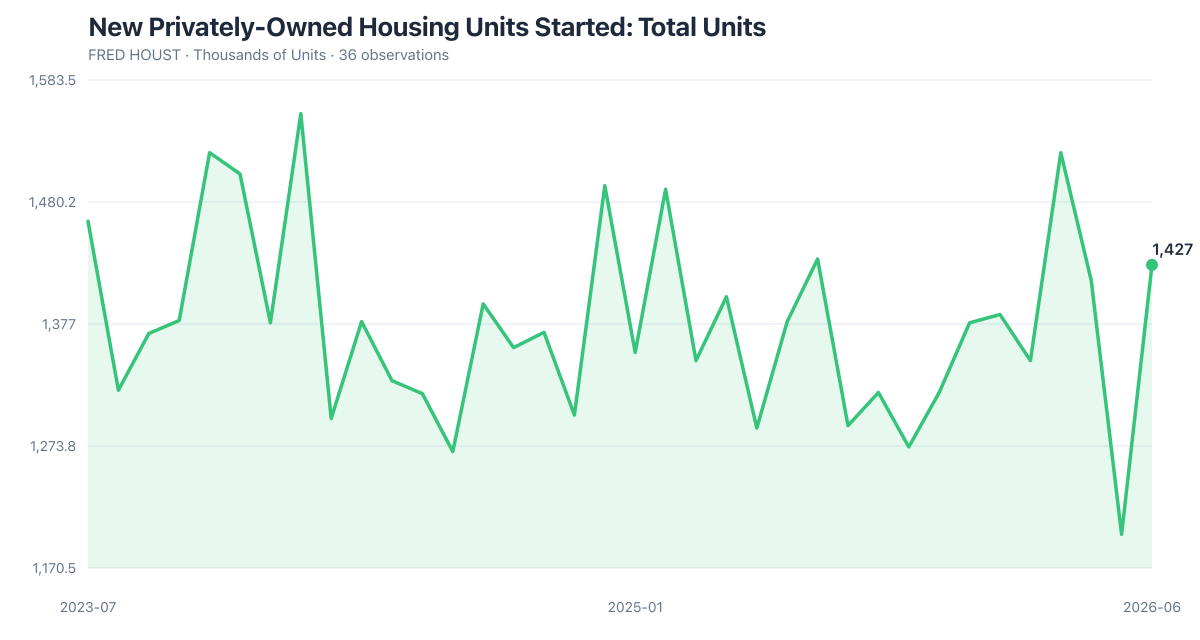
Series ID: U.S. Bureau of Labor Statistics (BLS), “Part-Time Work Among Older Americans,”-12-01.
Series & as-of dates
The primary data comes from the U.S. Bureau of Labor Statistics (BLS) series on employment status by age. The chart shows the percentage of employed individuals age 65 and older working part time, measured annually. The latest observation is from December 2024, based on data collected through the Current Population Survey (CPS). All figures are publicly available and maintained by the BLS.
What Changed in 2026
Part-time work in retirement stopped being a niche choice a while back. It’s mainstream now. In 2026, the Social Security earnings test still applies to anyone under Full Retirement Age (FRA) who’s claiming benefits, capping earnings at $24,480 a year before penalties kick in. Go over that number and you lose $1 in benefits for every $2 earned above it.
Texas’s tax code has nothing to do with this rule. Earn $30,000 in 2026 and you’d lose $2,760 in benefits; earn that same amount self-employed and the loss doubles to $5,520. That’s money that disappears quietly, a little at a time, until someone adds it up at tax season and wonders where it went.
| Period | Value | Change |
|---|---|---|
| 2026 (Q2) | 38.3% | +0.6% MoM |
| 2025 (Annual) | 37.7% | +0.6% YoY |
| 2024 (Annual) | 38.3% | |
| 2023 (Annual) | 37.0% | +1.3% YoY |
| 2022 (Annual) | 35.7% | +1.3% YoY |
Key Takeaway: The rise in part-time employment among older workers, 38.3% in 2024, means more retirees are exposed to the Social Security earnings test, even in low-tax states like Texas. A $30,000 annual income triggers a $2,760 benefit reduction, per SSA guidelines. This data is from the U.S. Bureau of Labor Statistics (2024).
Related Context: Medicare IRMAA and the Two-Year Lookback
There’s a second, less obvious cost here. Medicare premiums are set using your modified adjusted gross income (MAGI) from two years earlier, so what you earn in 2026 doesn’t hit your wallet through Medicare until 2028. Most people never connect the two events because of the gap.
Take a Texas retiree who earns $35,000 part time in 2026. Depending on the rest of their income picture, their Part B premium could climb from $174.70 to $317.90 a month by 2028. The IRS looks at combined income (Social Security, pensions, and investment income together) from the 2024 return to make that call, and a single strong earning year is sometimes enough to push someone into a higher bracket.
| Income Level (2024 Tax Return) | Part B Premium (2028) | IRMAA Bracket |
|---|---|---|
| $40,000 | $174.70 | Base |
| $75,000 | $317.90 | 2028 IRMAA 1 |
| $120,000 | $488.50 | IRMAA 3 |
| $200,000+ | $599.40 | IRMAA 5 |
Key Takeaway: A year of part-time work in 2026 can increase Medicare premiums by up to $424.70 annually in 2028, even in Texas. The IRS does not care about state tax policy, only federal income thresholds. This is based on the Social Security Administration’s 2026 earnings limit guidelines and CMS IRMAA policy documentation.
What This Means for You
Age 62 or older, living in Texas, thinking about a part-time job in retirement? Here are three specific numbers worth knowing before you say yes to that offer.
- If your annual income exceeds $24,480 before FRA, you’ll lose $1 in Social Security benefits for every $2 earned over the limit. A $30,000 income means $2,760 in lost benefits.
- If your combined income (Social Security, pensions, interest) hits $75,000 in 2024, your Medicare Part B premium increases to $317.90 in 2028, even if you’re in Texas.
- For Texas public employees with defined-benefit pensions, reducing hours before FRA may cut your final average salary. This can reduce your payout by up to 15% if the plan uses the highest three consecutive years.
An Austin reader wrote in after earning $28,000 part time in 2026. Her Social Security check dropped $1,680 that same year. What she didn’t see coming was the follow-up hit two years out: that 2026 income would inflate her 2028 Medicare premium by $143. Add it all up, taxes, benefit reduction, premium increase, and her net gain from working came out to negative $1,217.
Key Takeaway: If your 2026 part-time earnings exceed $24,480, you’re likely losing more in benefits and long-term premiums than you earn. Use SSA’s earnings calculator to model your outcome before starting.
Frequently Asked Questions
Will working part-time in Texas reduce my Social Security benefits?
Yes, and state tax policy has no bearing on it. If you’re under Full Retirement Age in 2026 and earn more than $24,480, the SSA withholds $1 in benefits for every $2 you earn above that line. This is governed by SSA Publication 05-10033.
Can part-time work in 2026 increase my Medicare premiums in 2028?
It can, yes. Medicare pulls from your 2024 tax return to set what you’ll pay for Part B and D in 2028. Cross $75,000 in combined income and the premium jumps to $317.90 a month. CMS’s official IRMAA guidelines spell this out in detail.
Do Texas public employees lose pension benefits if they go part-time?
Often, yes. A number of Texas teacher and public employee pension plans base final average salary on the highest three consecutive years of earnings. Go part time during one of those years and you could permanently shave up to 15% off your benefit. Details are in the Texas Education Agency pension policy. Note that specific reductions vary by plan and years of service, so this isn’t a flat rule for everyone in the system, it’s worth checking your own plan documents before assuming the worst case applies.
Can I avoid IRMAA by reducing income in 2024?
In some cases, yes. Expecting to clear $75,000 in 2024? Roth conversions, charitable QCDs, and delayed withdrawals can all bring your MAGI down, but the timing has to happen roughly two years ahead of when you want the effect. IRS Publication 590-B covers the mechanics of these strategies.
Sources
- U.S. Bureau of Labor Statistics (2024): 38.3% of employed older Americans worked part-time in 2024
- U.S. Bureau of Labor Statistics (2025): 19.1% labor force participation rate for people age 65 and older in 2025
- Social Security Administration: 2026 Earnings Test Guidelines (Publication EN-05-10033)
- Social Security Administration: Online Earnings Calculator
- Centers for Medicare & Medicaid Services: IRMAA Policy Overview
- Internal Revenue Service: Publication 590-B (2024)
- Texas Education Agency: Teacher Retirement System (TRS) Plan Details
- U.S. Department of Health and Human Services: Medicare Eligibility and Enrollment
- Social Security Administration: Retirement Planning for Early Beneficiaries
- Internal Revenue Service: Qualified Retirement Plan FAQs
- Social Security Administration: Delaying Benefits to Increase Payments
- Bureau of Labor Statistics: CPS Detailed Tables. Employment Status by Age and Sex
- Social Security Administration: Cost-of-Living Adjustment (COLA) Information
- IRS Newsroom: 2024-2025 IRMAA Income Thresholds
- Texas Comptroller: Teacher Retirement System (TRS) Funding and Benefits